
Bitcoin is tumbling again — and this time, Google searches for "Bitcoin to zero" have surged 450% in a single day. The world's largest cryptocurrency fell below $77,000 this week, trading near $76,000 on November 7, roughly 40% below its record high of about $126,000 set in October 2025. A tech-stock rout, heavy selling from US exchange-traded funds and the fallout from a massive hack at Binance have combined to rattle crypto markets, wiping hundreds of billions of dollars from the total value of digital assets. Here is what happened, why it matters, and what traders are watching next.

Bitcoin Falls Below $77,000 — Twice in One Week
Bitcoin first slipped below $77,000 on Tuesday, November 3, falling about 2% in Asian trading and erasing the previous day's rebound, according to CoinDesk. The selling accelerated on Thursday, November 5, when Bitcoin gave back $5,046 from its November 4 peak of $81,105, tumbling to an intraday low of $75,468 on the Bitstamp exchange. The drop erased most of the post-election recovery that had briefly lifted prices above $81,000. By November 7, Bitcoin was trading at about $75,969, according to CoinGecko data — down about 8% over the past month and about 26% over the past year.
The Binance Hack Shook Confidence
The latest leg of the selloff began on October 29, when hackers stole about $6.3 billion from Binance, one of the world's largest cryptocurrency exchanges. The theft hit confidence at a fragile moment for the market, and Binance later used part of the Bitcoin held in its user protection fund to cover losses from the hack. The incident came just a day after the US Federal Reserve held interest rates at 3.75% to 4.00%, with two officials voting for a rate hike, adding to worries about tighter financial conditions.
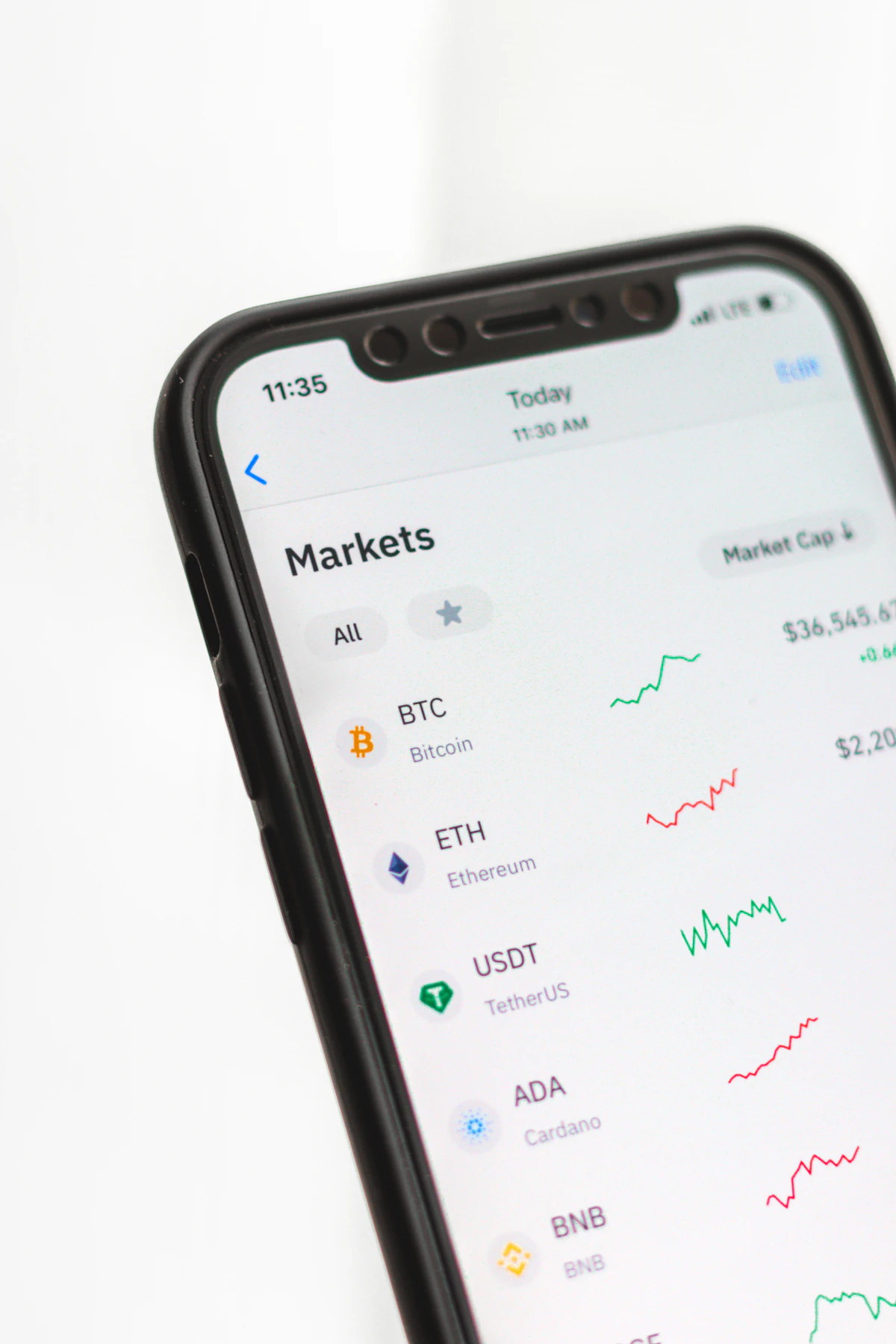
ETF Outflows and $1 Billion in Liquidations
Institutional investors have been heading for the exits. US spot Bitcoin exchange-traded funds recorded net outflows of $643.2 million on October 30, followed by $398.6 million on November 2, according to Farside Investors data. In total, the funds lost about $870 million across three of the four trading days from November 2 to 5, and weekly net outflows reached $1.28 billion — the worst week since late June. As prices slid, leveraged traders were forced to close their positions. CoinGlass data showed about $1.09 billion in crypto positions liquidated in 24 hours around November 5, affecting about 211,000 traders, with long bets making up nearly 90% of the losses. Forced selling like this often accelerates a decline, pushing prices lower and triggering yet more liquidations.
Tech Stocks Dragged Crypto Down
Bitcoin did not fall alone. A deepening selloff in US semiconductor and artificial intelligence stocks spilled into crypto, and on November 5 Bitcoin fell almost exactly in step with the Nasdaq. The Philadelphia Semiconductor Index lost 12% over three trading sessions, while the Nasdaq 100 slipped 10% from its peak — the threshold traders use to define a correction. Qualcomm fell about 10% in premarket trading after disappointing smartphone chip sales, Reuters reported, with Nvidia and Intel also under pressure. The total crypto market was worth about $2.63 trillion on November 4, according to CoinMarketCap — 38.5% below its record of $4.28 trillion in October 2025. The Crypto Fear and Greed Index dropped to 28 out of 100, firmly in "Fear" territory.

How Far Has Bitcoin Fallen?
The scale of the decline is striking, even by Bitcoin's volatile standards. From its all-time high of $126,198 on October 6, 2025, Bitcoin fell to a low of $57,748 on July 1, 2026 — a 54% drop in under nine months. It has since recovered, but it still sits about 40% below its peak. That is deep, but history offers some perspective: previous Bitcoin bear markets fell 77% to 84% from peak to trough. After the 2018 and 2022 crashes, Bitcoin took between 15 months and two years to set a new record. Analysts quoted in market reports are watching $75,000 as the next key support level, with trading firm Wintermute saying Bitcoin must reclaim and hold $80,000 before sentiment improves.
What Happens Next?
Traders are now watching a busy calendar: the US jobs report, the Federal Reserve's next moves on interest rates, and whether ETF flows stabilise. A December rate hike, which markets now see as more likely after a strong October jobs report, could keep pressure on risk assets. On the other hand, Bitcoin has recovered from every previous crash — though the timing has varied widely. For now, the market's message is clear: confidence is fragile, leverage is being washed out, and Bitcoin is trading like a risk asset, moving in lockstep with tech stocks rather than as the "digital gold" its supporters describe.
Conclusion
Bitcoin's slide below $77,000 caps a brutal few weeks for crypto investors. A record hack, billions in ETF outflows, more than $1 billion in liquidations and a tech-stock rout have combined to drag the market 40% below its peak. Whether this is a buying opportunity or the start of a deeper correction is the question every trader is asking — and the answer will likely come from Wall Street and the Federal Reserve as much as from crypto itself. One thing is certain: after a week like this, nobody in crypto is bored.
This article is for information only and is not financial advice. Sources: CoinDesk and CoinStats.